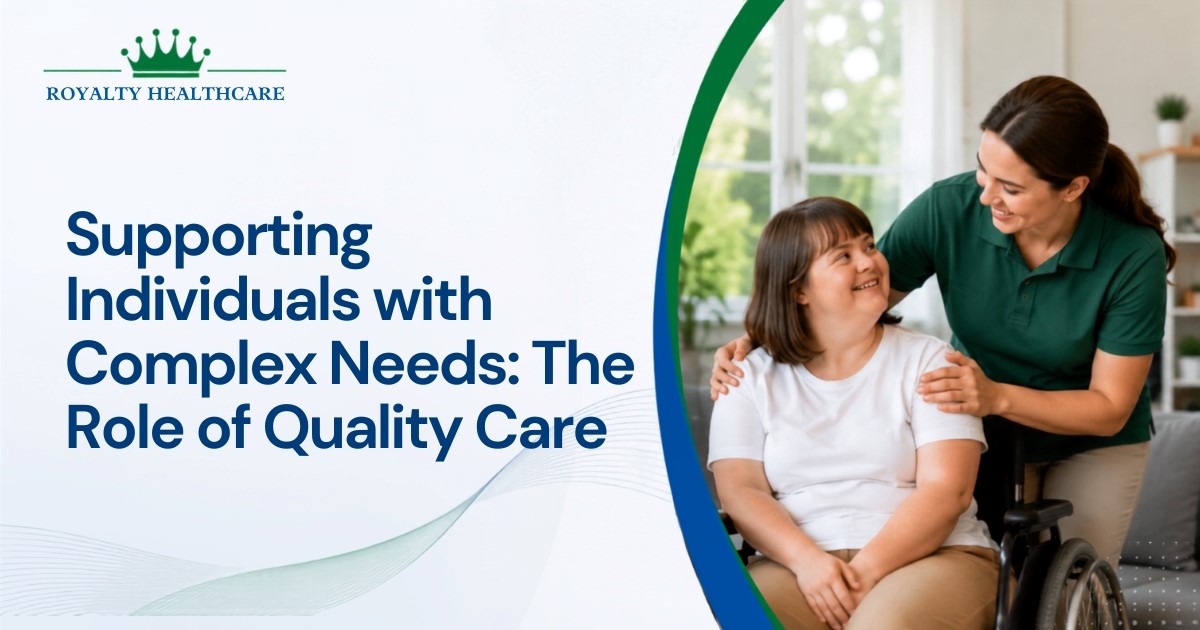
Providing care for individuals with complex needs requires specialised knowledge, compassion, and tailored support strategies. Complex care involves assisting participants with multiple or high-level support requirements, often encompassing medical, behavioural, and personal care needs. For families and participants navigating the NDIS system, having access to reliable, experienced care providers is essential for ensuring safety, independence, and quality of life.
In Brisbane, the demand for high-quality complex care services has grown significantly due to the rising awareness of NDIS supports and the increasing number of participants requiring intensive assistance. Participants often require round-the-clock support, highly trained staff, and personalised care plans to meet their individual goals.
Managing complex care effectively involves coordinating multiple aspects of daily living, including personal care, medication management, social engagement, and access to therapeutic services. This integrated approach ensures that participants’ needs are met holistically, enhancing both their wellbeing and the peace of mind of their families.
Professional care providers play a critical role in facilitating independence while ensuring safety and compliance with NDIS standards. These providers bring expertise in managing diverse needs, coordinating multidisciplinary teams, and implementing evidence-based strategies tailored to each participant.
Understanding Complex Care Needs
Individuals requiring complex care often present with conditions or circumstances that necessitate specialised support. This may include:
- Chronic health conditions requiring daily medical management
- Cognitive impairments or neurodevelopmental conditions
- High physical support needs for mobility and personal care
- Behavioural challenges that require skilled intervention
- Emotional and psychosocial support for participants and their families
The goal of complex care is to ensure that participants can live fulfilling, safe, and meaningful lives. Care plans are developed collaboratively, often involving family members, healthcare professionals, and NDIS coordinators.
A well-structured care program considers not only the immediate needs of participants but also long-term goals such as skill development, independence, and community engagement. By addressing these needs, care providers contribute to improved quality of life and greater participation in social, recreational, and vocational activities.
Key Services Offered in Complex Care
Participants accessing Ndis complex care Brisbane support may require a variety of specialised services, including:
- Personal Care Assistance
Helping participants with bathing, dressing, grooming, and daily hygiene tasks.
- Medication and Health Management
Administering medications, monitoring health conditions, and coordinating with medical professionals.
- Behavioural Support
Implementing strategies for participants with behavioural challenges to ensure safety and engagement.
- Therapeutic and Social Supports
Facilitating access to therapies, community activities, and skill-building programs.
- Daily Living Assistance
Supporting participants with meal preparation, household management, and mobility.
- Crisis Management
Rapid intervention during emergencies or acute behavioural episodes to maintain safety.
These services are tailored to the unique requirements of each participant, ensuring that their care plan aligns with their goals and capabilities. Skilled staff, training, and a person-centred approach are key to delivering these services effectively.
How Royalty Healthcare Supports Brisbane Participants
Royalty Healthcare provides specialised support for individuals requiring complex care Brisbane assistance. Their approach focuses on personalised care plans, professional staff, and comprehensive service delivery.
Their services include:
- 24/7 support for participants with high-level care needs
- Collaboration with medical professionals and allied health teams
- Customised support for physical, cognitive, and psychosocial needs
- Regular assessments to update care plans and ensure goals are being met
- Family and caregiver support to assist with ongoing participation and wellbeing
By offering a structured, person-centred approach, Royalty Healthcare ensures that participants receive high-quality care in a safe and supportive environment. Families benefit from reliable communication, transparency, and professional oversight, allowing participants to reach their full potential.
Advantages of Engaging a Complex Care Provider
Choosing a professional complex care provider Brisbane offers several benefits:
- Personalised Support Plans
Tailored care that addresses each participant’s specific needs, goals, and preferences.
- Trained and Experienced Staff
Access to professionals skilled in managing diverse and high-support needs.
- Safety and Compliance
Adherence to NDIS standards and regulatory requirements ensures participant safety.
- Holistic Care Approach
Integration of physical, cognitive, behavioural, and social supports.
- Consistency and Reliability
Predictable schedules and consistent staff improve participant outcomes and trust.
- Community Engagement
Opportunities for participants to participate in social, recreational, and vocational activities.
These advantages highlight why professional complex care services are essential for Brisbane participants with high-level support needs.
Planning for Successful Complex Care
Effective complex care requires detailed planning and collaboration between participants, families, and service providers. Key considerations include:
- Comprehensive Needs Assessment
Evaluating physical, cognitive, behavioural, and social needs to develop a detailed care plan.
- Individual Goal Setting
Establishing realistic, meaningful goals that encourage independence and participation.
- Staff Training and Development
Ensuring staff are adequately trained in specialised care techniques, safety, and communication.
- Communication and Monitoring
Maintaining clear communication channels between caregivers, families, and allied health professionals.
- Ongoing Review and Adaptation
Regularly reviewing care plans to respond to changing needs and goals.
By following these practices, complex care providers help ensure that participants receive safe, effective, and person-centred support that promotes wellbeing and independence.
Common Challenges in Complex Care
Despite best practices, complex care providers face ongoing challenges such as:
- Managing high-demand care needs with limited resources
- Coordinating multidisciplinary teams across various services
- Maintaining compliance with NDIS regulations
- Balancing participant independence with safety requirements
- Supporting families and caregivers while managing participant needs
Professional providers, like Royalty Healthcare, mitigate these challenges through structured protocols, trained staff, and a collaborative approach that prioritises participant goals and safety.
Conclusion
Complex care is essential for participants with high-level support needs, providing the expertise, structure, and personalised attention required to enhance quality of life. Engaging professional providers ensures that participants receive holistic support that addresses physical, cognitive, behavioural, and social needs while promoting independence and wellbeing.
Royalty Healthcare delivers tailored services for ndis complex care Brisbane, combining expert care, person-centred planning, and reliable support for participants and families. Access to professional services and a skilled complex care provider Brisbane helps participants thrive in a safe and supportive environment.
Investing in professional complex care ensures that participants achieve their goals, families have peace of mind, and providers can deliver consistent, high-quality support that aligns with NDIS standards.